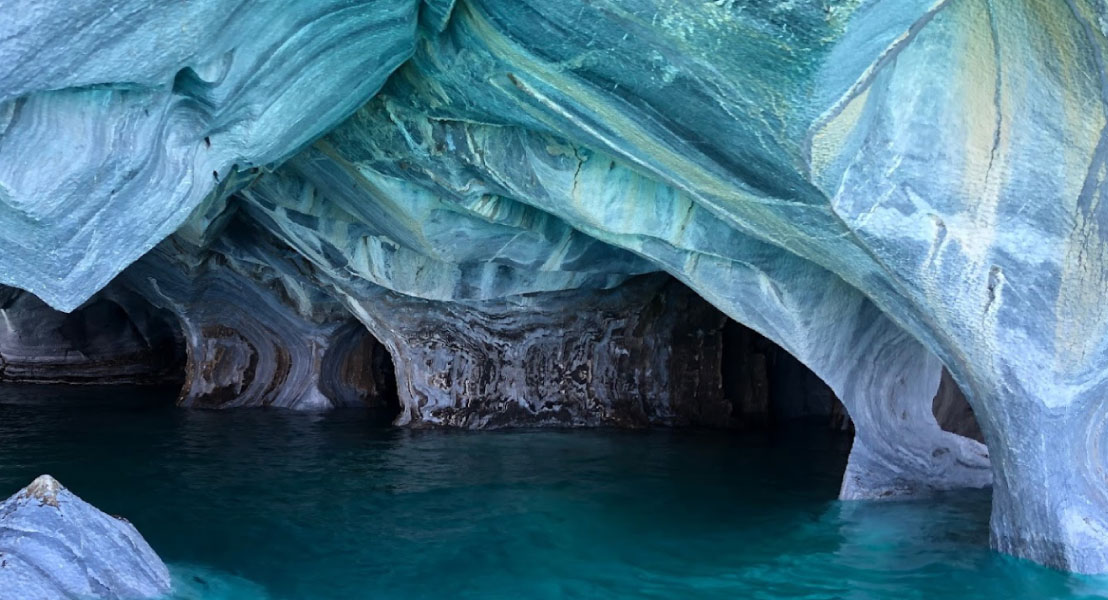
Acquire a piece of land within a network of private parks in Chilean Patagonia, protected in perpetuity by the Real Right of Conservation. Those who enter become the guardians of a territory that will exist forever.
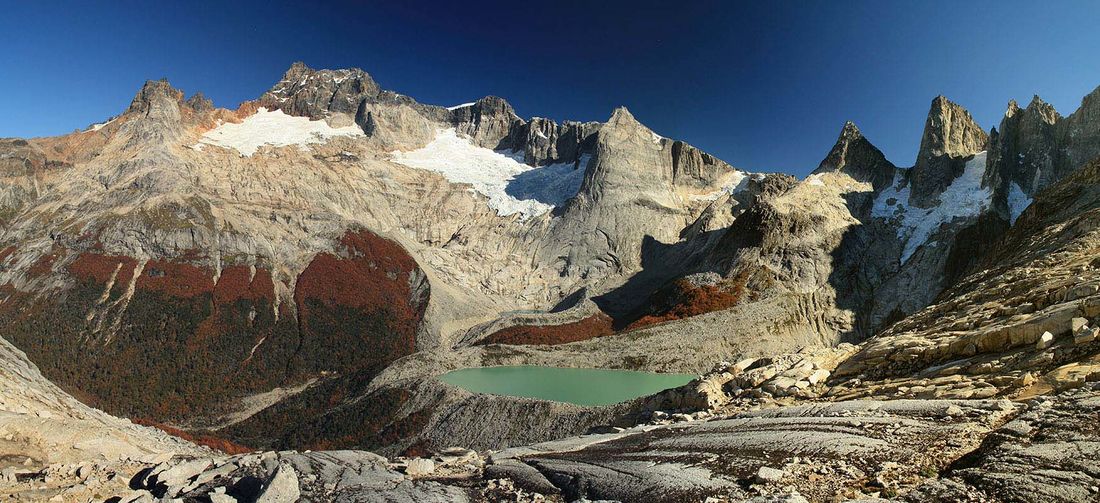
At the far south of South America, in Chilean Patagonia — the Aysén Region, in the basin of Lago General Carrera, the second-largest lake on the continent, around the Torres del Avellano. Glacial water, native lenga and ñirre forest, mountains of monumental scale. Here are our parks.
Infrastructure is arriving: the paving of the Carretera Austral and the expansion of Balmaceda airport bring the south closer than ever. Where growth arrived without a model, the landscape paid the price. Three comparable places show it.
Population growth in 15 years; Lake Llanquihue with critical algal-bloom episodes. A destination that became saturated.
The lake declared a «saturated zone» after the mass sale of subdivisions and growth without rules.
Private land subdivided and fragmented at an accelerating pace, with no framework to protect it.
The wave arrives either way. The only decision is how: a model that subdivides and depletes, or one that protects the territory with permanent rules — so it still exists a hundred years from now.
Parques la Patagonia is a network of private conservation parks in the Aysén Region. Within each park, a few habitable parcels of land coexist with conservation. Every purchase funds the protection of the park and its expansion into new areas — three entities, one purpose.
A symbiotic ecosystem: the sale funds the protection, the protection provides a perpetual guarantee, and the community of ambassadors sustains it and makes it grow. Every protected parcel makes the next one possible.
Above Lago General Carrera, in the Río Ibáñez commune — native lenga and ñirre forest, glacial rivers and lagoons, mountains of monumental scale. Most of the territory remains protected; only a small area allows living spaces integrated into the landscape.
Natural terraces and open views toward the lake and the mountains. Where it is possible to become an ambassador today.
Land availableThe park that gave rise to the project. Lenga forests, glacial lagoons, and more than twenty years of active conservation.
Where Patagonian nature and culture coexist — herders, transhumance, and a landscape of deep territorial identity.
Valley, forest, and lakeshore with high scenic value and potential for active ecological restoration.
Being incorporatedThe Sierra del Avellano is part of a biological corridor linking protected areas of Patagonia. Our parks are part of that fabric — the 2040 vision is to contribute to a continuous conservation corridor.
The Real Right of Conservation (Chilean Law No. 20.930) sets permanent conservation conditions on the territory, no matter who owns it in the future. It is registered with the Real Estate Registrar and stays with the land forever. It is not a restriction — it is a guarantee: it ensures your surroundings remain intact.
When you buy a piece of land and become an ambassador, you don’t just protect your own parcel — you join a community that grows the protected territory. And it doesn’t stop with you.
Every protected parcel makes the next one possible — from today’s parks to a continuous conservation corridor.
Illustrative diagram: the colored area grows in proportion to the 17,000 ha goal.
Your purchase funds the non-profit Foundation that safeguards the Real Right of Conservation. The protection depends on no single owner.
Every purchase adds new hectares to the network of parks — the 2030 goal is to reach 5,000 ha under stewardship.
Reforestation with native species, fencing that protects regeneration, and wildlife monitoring.
Environmental education and collaboration with Puerto Sánchez and the actors of the Aysén Region.
The Parques la Patagonia Foundation is the non-profit entity that guarantees and safeguards the Real Right of Conservation in perpetuity. It is the ethical center of the project — independent of the commercial arm.
Your purchase sustains it; it sustains the territory. The owners’ names will change over the years; the Foundation remains, ensuring that what is protected stays protected forever.
Each parcel sits in a sector with its own character — views, privacy, proximity to water, forest, access. Fly over the real territory, choose your land, and see it from every angle.
You acquire your land and become an ambassador from day one.
You enter with a down payment and pay in installments, without waiting for a bank’s approval.
Your land together with a cabin integrated into the landscape, coordinated with your purchase.
A journey where you stop being a visitor and become an ambassador. It is a real immersion in the territory — and the best way to know whether this place is yours. The trip is the first step of the path. First journeys in December 2026.
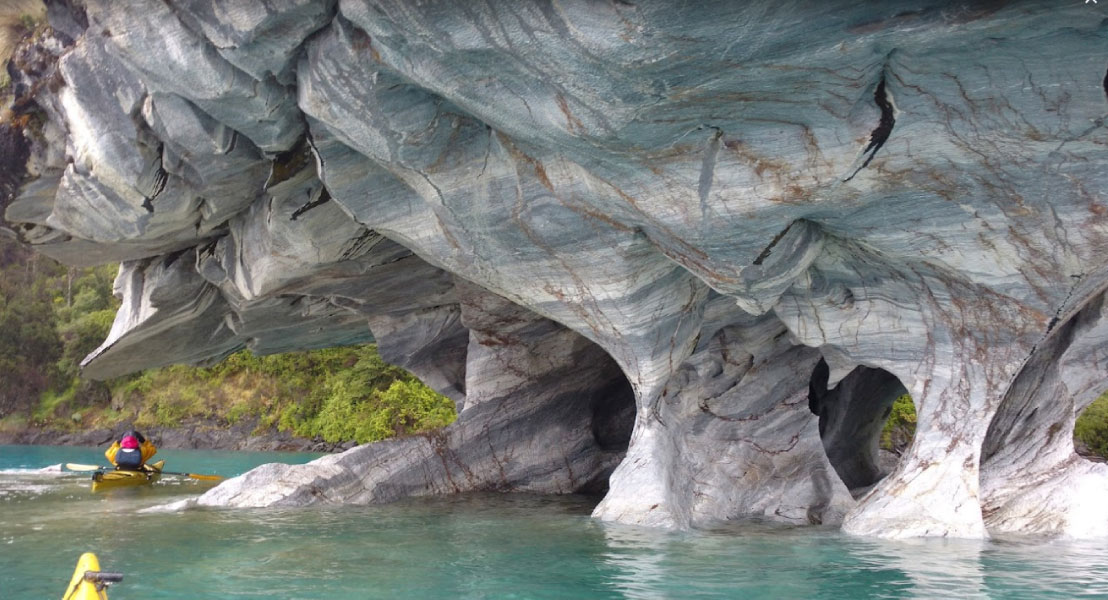
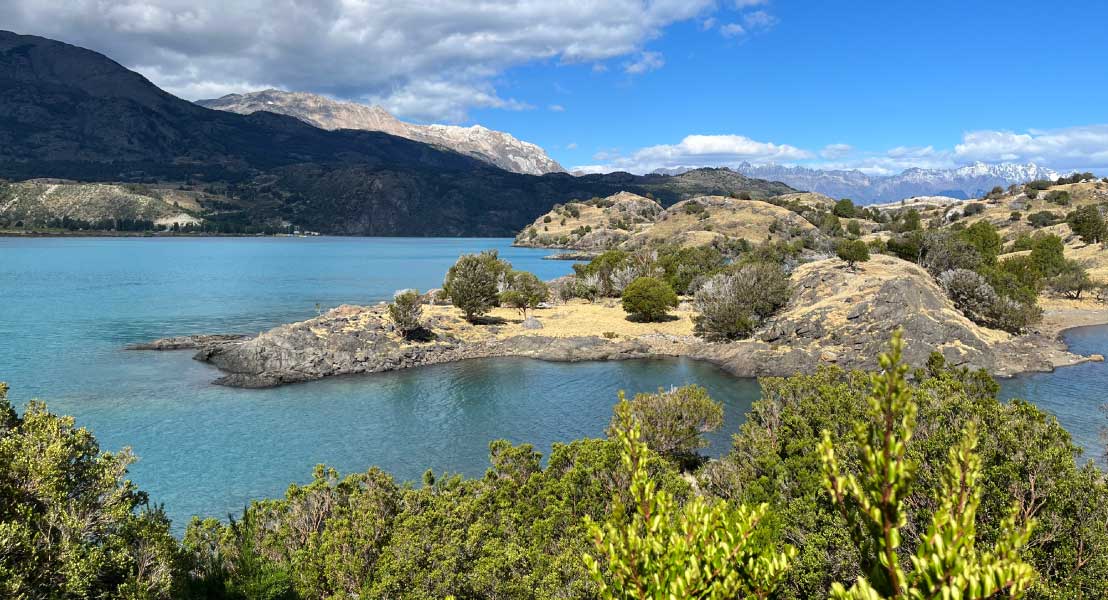
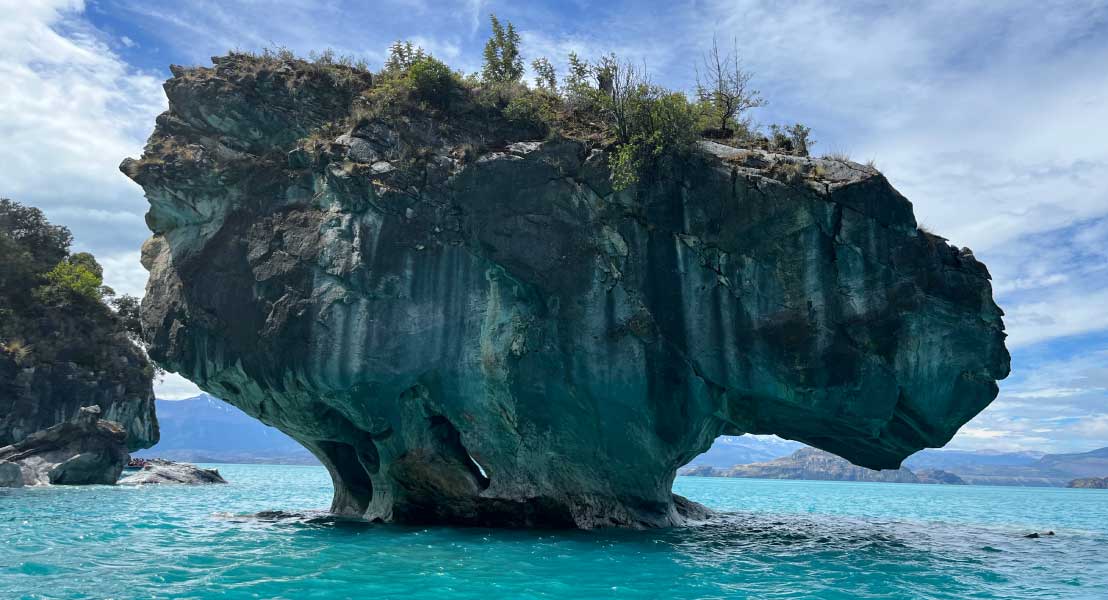
Discover The Ambassador’s Journey →Experience the Marble Chapels and their islands, minutes from our parks — with unmatched views of Lago General Carrera, the Sierra del Avellano mountain range, and the imposing Torres del Avellano.
+
+
+
+
+
+Hover over each photo to see the attraction. All images are real, captured in the Aysén Region.
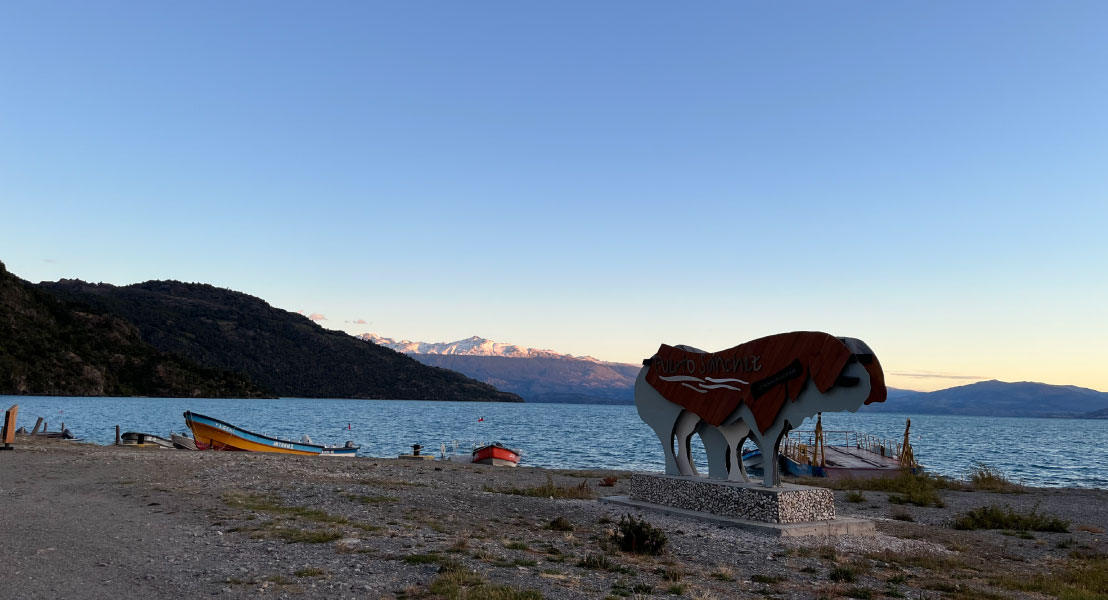
For those who want to arrive and stay. You acquire your land together with a cabin designed for the place — low-intervention architecture, integrated into the landscape, built by our team. You choose the land; we make it ready.
The network grows because some choose to go further — to safeguard a larger area, to develop alongside the project, or to join the corridor’s expansion toward the 2040 vision. If that’s you, the conversation is direct and behind closed doors.
Safeguard a larger area within the network, beyond a single parcel.
Build and bring the place to life alongside the project, in a low-intervention key.
Be part of adding the next parks to the conservation network.
A direct, confidential conversation. No catalogs or public figures — we talk according to your interest.
Honest questions are welcome — in fact, they’re the sign of a good ambassador. Here are the most common ones; the rest we discuss directly.
Yes. The land is yours, with title deed, and transfers like any property in Chile — no minimum holding period: you sell whenever you want. What travels with it is the conservation commitment, because the Real Right of Conservation is bound to the land, not to the person: whoever buys from you receives the land with the same protection rules. Your natural buyer is someone who values exactly that — surroundings that will remain intact.
Yes. The land is inherited like any property in Chile: it enters your estate and passes to your heirs according to your will or the law. They receive it with the Real Right of Conservation built in — the same conditions you accepted when you entered. For many families that’s exactly the point: you don’t just leave an asset, you leave a protected territory that will still stand for the next generation.
Yes. The land has Starlink connectivity, which completely changed what it means to live in deep Patagonia: today you can work, communicate, and stay connected without giving up the silence and isolation of the place.
With solar power and spring water. The land is set up to run autonomously, with no power lines crossing the landscape and no dependence on distant grids. Living lightly on the land is part of the design, not a limitation — the base infrastructure for living is solved.
We know them and we’re glad they exist — the more protected land in Aysén, the better for everyone. The difference is in the architecture. In most models, the same commercial entity that sells also manages the conservation promise. We separate the roles into three: an independent, non-profit Foundation that safeguards the Real Right of Conservation, a community of ambassadors who are the owners, and the commercial arm that funds the model. The protection doesn’t depend on our goodwill — it is legally bound, with a guarantor that sells nothing.
The practical: the State doesn’t have the capacity to receive, fund, and care for every valuable piece of Aysén — the national parks already operate on tight budgets, and private conservation exists to complement, not to replace.
The economic: donating the land doesn’t protect it; protecting it costs money every year, forever, and someone has to fund it. Our model makes that protection self-financing, instead of depending on subsidies or philanthropy.
And what we truly believe: conservation works better with a community that lives on and cares for the territory than with a «no trespassing» sign and no one around.
Sponsoring a m² is a donation to the Foundation, not a land purchase — and we always say so upfront. In Chile the law does not allow titling such small areas of rural land (the legal minimum to register is half a hectare), so no one can put a square meter under your name in the Real Estate Registry. What does happen: your contribution goes to the Foundation that safeguards the park’s protection in perpetuity, and you receive a certificate with the coordinates of your m², visible on the park map, plus your place in the community of ambassadors. The meter is not yours on paper; the protection it funds is real and bound to the land forever.
Have a question that isn’t here? Write to us and we’ll answer you directly →
Leave us your email and we’ll tell you more — which sector fits you and how to enter.